|
||||||||||||||||||||||
 |
||||||||||||||||||||||
![F-22A Raptor, FB-22, F-22E, F-22N and Variants Index Page [Click for more ...]](APA/f-fb-22.png "F-22A Raptor, FB-22, F-22E, F-22N and Variants Index Page [Click for more ...]") |
 |
![People's Liberation Army Air Power Index Page [Click for more ...]](APA/pla-air-pwr.png "People's Liberation Army Air Power Index Page [Click for more ...]") |
 |
 |
 |
 |
 |
 |
![Military Ethics, Culture, Education and Training Index Page [Click for more ...]](APA/ethx-culture.png "Military Ethics, Culture, Education and Training Index Page [Click for more ...]") |
 |
||||||||||||
 |
![Russian / Soviet Weapon Systems Index Page [Click for more ...]](APA/rus-weps.png "Russian / Soviet Weapon Systems Index Page [Click for more ...]") |
 |
 |
 |

|
 |
 |
 |
 |
 |
||||||||||||
 |
 |
 |
||||||||||||||||||||
| Last Updated: Mon Jan 27 11:18:09 UTC 2014 | ||||||||||||||||||||||
|
||||||||||||||||||||||
|
||||||||||||||||||||||
|
||||||||||||||||||||||
|
|
|
|
|
|
|
|
|
|
|
||||||||||||
|
|
|
|
|
|
|
|
|
|
|
||||||||||||
| |
|
|
||||||||||||||||||||
| Last Updated: Mon Jan 27 11:18:09 UTC 2014 | ||||||||||||||||||||||
|
||||||||||||||||||||||
| Facts
or Fantasies? |
||||||||
|
Air Power
Australia - Australia's Independent Defence Think Tank
|
||||||||
| Air Power Australia Media Release 3rd April, 2007 |
||||||||
|
||||||||
|
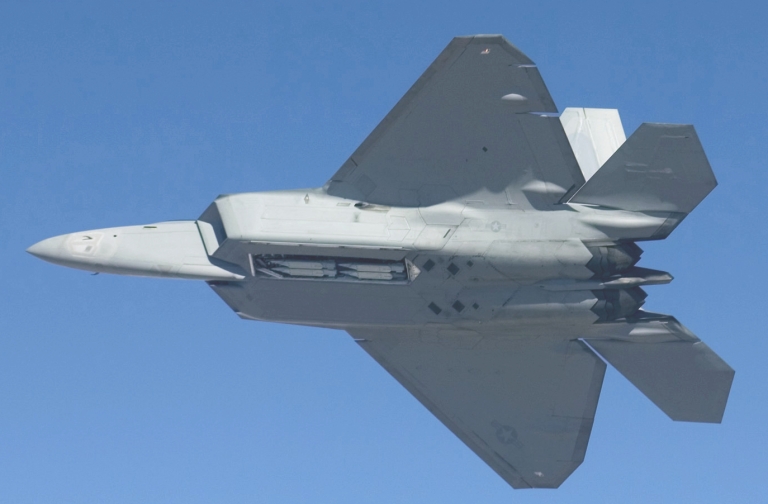
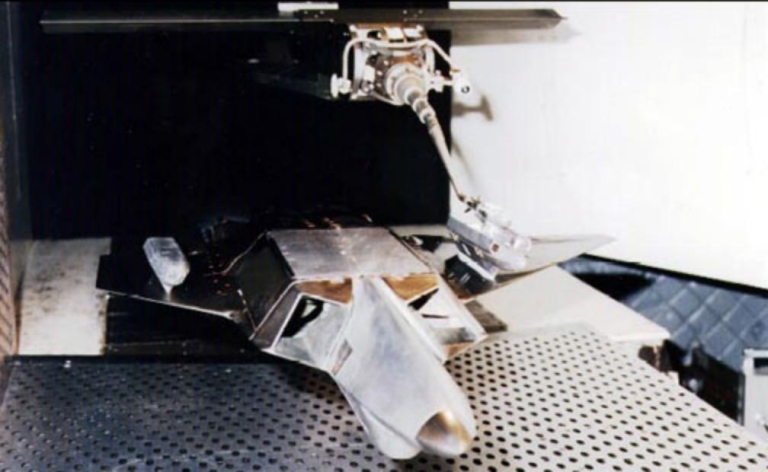
"For instance, in a recent television appearance, Dr Nelson told Mark Bannerman of the ABC 7:30 Report (and anyone who was watching): BRENDAN NELSON, DEFENCE MINISTER: The Super Hornet, the Block 2, the most advanced version of it, is a very capable, very stealthy aircraft. The F-22, whilst it is a brilliant air to air combat capability is not the correct aircraft for , would lose stealth capability once we put bombs on it. If the Minister wanted ‘a
very capable, very stealthy aircraft’ then, clearly, he has picked the
wrong one. Sadly
for the Minister, the Super Hornet (F/A-18E/F) is not a stealthy
aircraft. Rather, its design has undergone very expensive and
extensive work to reduce the aircraft’s radar cross section but
this falls somewhat short of what could, in aeronautical and radar
systems engineering terms, be called stealthy. Moreover, the
F/A-18 can only carry its bombs, missiles and the external fuel tanks
it normally requires under its wings." "As the Minister points out, this does result in the aircraft losing any ‘stealth capability’, unless, of course, it was able to put the weapons into one of the four internal weapons bays like those the F-22 has or in a stealthy bomb carrying pod like the designs in development for the F-22. The F-22 is a far more capable aircraft and, in combination with the F-111s already owned by Australia, would ensure Australia retains air superiority in the region for many years to come." "As for the Minister’s comments about aeronautical structures, such as - BRENDAN NELSON: What would happen if did not acquire this squadron of Super Hornets and we had a wing failure or an engineering failure at 1.5 times the speed of sound at 100 feet above the ground in an F 111 in the year 2011? "If the Minister
truly believes there is this risk of ‘a surprise, catastrophic
failure’, then, since the Chief of Air Force and Senior Defence
Scientist have both stated before a Parliamentary oversight committee
that they ‘don’t know what they don’t know’ when it comes to
structural risks on the F-111 aircraft, then he should ground the
F-111 fleet now." "If he
wishes peace of mind in this matter, he can achieve this at much lower
cost by ensuring the DSTO
F-111 wing fatigue testing along with the commensurate inspection and
repair design
process continue, with full inspections every 500 to 1,000 test hours
to ensure
another ‘surprise, catastrophic failure’ like what befell the last
test wing does not occur. This, along with the ‘safety by
inspection’ and wing refurbishment processes being done up at Amberley,
are vastly cheaper insurance for assuring safety in operations of the
F-111 fleet." "Ministerial Statements continue to raise genuine concerns about the advice the Minister is being given on the these matters. It is abundantly clear from the wide range of public statements made by senior Defence officials in recent weeks that the organisation is struggling in its understanding in several critical areas, including:
Given
that there is an enormous volume of open source material now
available which details these issues it is now an irrefutable fact
that Defence have lost the capability to objectively analyse and
understand capabilities in contemporary and future air power in the
region. The Minister's statements are proof of this.”" |
||||||||
| Air
Power Australia Website - http://www.ausairpower.net/ Air Power Australia Research and Analysis - http://www.ausairpower.net/research.html |
||||||||
 |
||||||||
| |
||||||||
|
|||||||||||||
|
|
|
|
|
|
|
|
|
|
|
|||
|
|
|
|
|
|
|
|
|
|
|
|||
| |
|
|
|||||||||||
| Artwork, graphic design, layout and text © 2004 - 2014 Carlo Kopp; Text © 2004 - 2014 Peter Goon; All rights reserved. Recommended browsers. Contact webmaster. Site navigation hints. Current hot topics. | |||||||||||||
|
Site Update
Status:
$Revision: 1.753 $
Site History: Notices
and
Updates / NLA Pandora Archive
|
|||||||||||||
|
|
Tweet | Follow @APA_Updates | |||||||||||
|
|
|||||||||||||
|
|
|||||||||||||