|
||||||||||||||||||||||
 |
||||||||||||||||||||||
![F-22A Raptor, FB-22, F-22E, F-22N and Variants Index Page [Click for more ...]](APA/f-fb-22.png "F-22A Raptor, FB-22, F-22E, F-22N and Variants Index Page [Click for more ...]") |
 |
![People's Liberation Army Air Power Index Page [Click for more ...]](APA/pla-air-pwr.png "People's Liberation Army Air Power Index Page [Click for more ...]") |
 |
 |
 |
 |
 |
 |
![Military Ethics, Culture, Education and Training Index Page [Click for more ...]](APA/ethx-culture.png "Military Ethics, Culture, Education and Training Index Page [Click for more ...]") |
 |
||||||||||||
 |
![Russian / Soviet Weapon Systems Index Page [Click for more ...]](APA/rus-weps.png "Russian / Soviet Weapon Systems Index Page [Click for more ...]") |
 |
 |
 |

|
 |
 |
 |
 |
 |
||||||||||||
 |
 |
 |
||||||||||||||||||||
| Last Updated: Mon Jan 27 11:18:09 UTC 2014 | ||||||||||||||||||||||
|
||||||||||||||||||||||
|
||||||||||||||||||||||
|
||||||||||||||||||||||
|
|
|
|
|
|
|
|
|
|
|
||||||||||||
|
|
|
|
|
|
|
|
|
|
|
||||||||||||
| |
|
|
||||||||||||||||||||
| Last Updated: Mon Jan 27 11:18:09 UTC 2014 | ||||||||||||||||||||||
|
||||||||||||||||||||||
F-35A CTOL JSF: The Biggest Loser |
||||||||||||||||||||||||||||||||||||||||||||||||||
|
Air Power
Australia - Australia's Independent Defence Think Tank
|
||||||||||||||||||||||||||||||||||||||||||||||||||
| Air Power Australia NOTAM 16th April, 2007 |
||||||||||||||||||||||||||||||||||||||||||||||||||
|
||||||||||||||||||||||||||||||||||||||||||||||||||
|
||||||||||||||||||||||||||||||||||||||||||||||||||
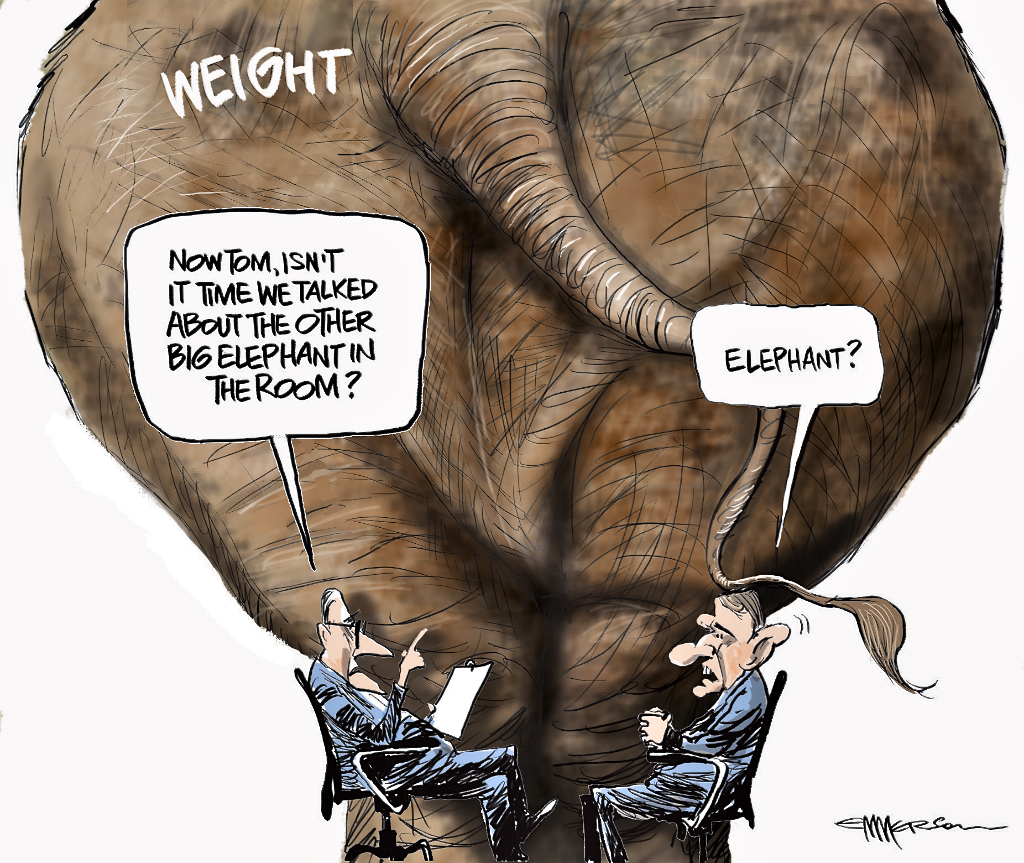 Update:
By November 2011, the official Not-to-Exceed (NTE) design target empty
weights of the JSF designs, including a redefined set of design margins
to IOC, for all variants had again increased. As best can be
determined, this makes the fifth, possibly sixth time the NTE design
empty weights for the JSF family of aircraft have been increased since
contract award back in 2001. At a new NTE design empty weight of some
34,868 lbs, the F-35C Carrier Variant JSF is now the biggest loser,
with a projected 16% increase in its design target empty weight since
2002 and weighing in at around 5,500 lbs heavier than the former holder
of the title, the F-35A CTOL JSF variant (Artwork courtesy Rod
Emmerson).
|
||||||||||||||||||||||||||||||||||||||||||||||||||
|
A feature common to most Tier 1 air combat/fighter aircraft is the ability to takeoff with full internal fuel and full payload. Most have a margin in excess of this ‘total load’ figure which allows for growth in weight over the aircraft's service life. Weight is one of the easier aspects of aircraft design to understand, unlike others which are often made intentionally confusing by the maker, his statements then being unfortunately taken on face value and repeated by the potential purchaser. Such design characteristics include the more emotional 'stealth', 'supercruise', 'network centric system of systems', and advanced radars such as 'AESA Radars', which makers describe in confusing technical jargon, implying capabilities to their aircraft which they do not have in the true sense. What is called the
aircraft's Empty Weight is
one of the most basic and important aspects of
aircraft design. This is the weight akin to what is seen at a
‘Biggest
Loser’ type weigh in; the ‘down
to your skivvies’ weight, which
for aircraft is without fuel or other payload such as bombs or
missiles, sensor pods, external fuel tanks, or crew. The Empty Weight is fundamental to how
well the
aircraft will aerodynamically perform, how much fuel and payload it
will be
able to carry, and how much growth it can accommodate throughout its
life. Weight, however, is such a predominant design objective/factor that it may alone determine whether or not an aircraft will proceed to the production stage. In these cases, the designer just cannot meet the operational requirements within the maximum weight constraint. Where the designer strikes serious weight problems, it behoves the potential purchaser to exercise more than usual caveat emptor, that is exercise greater due diligence when monitoring the program. Not surprisingly, the JSF
Program has had weight issues. In 2003, the STOVL JSF was
declared
overweight and the SWAT (STOVL Weight Attack Team) was formed to
perform a Biggest Loser
miracle.
At the end of 2004, the SWAT declared they had
removed ‘over 2,700 lbs’ off the STOVL aircraft's weight, with
commensurate weight reductions for the other two models; the Carrier
Variant
(CV) and the one which Defence and the Government say we will buy, the
Conventional Take Off and Land (CTOL) variant. The news that the
JSF had
faced its Biggest Loser
weight challenge and won was spread far and wide by the
manufacturer's men and those of the prospective customers alike.
Now that all the hoopla, hype and weight reduction dust has settled, a
look at
the “weigh in”records of all three variants shows a somewhat
different story -
These weight figures are from the JSF Program Office annual presentations to the US Air Force Association and are the design target weights for the three aircraft variants. With an overall increase of 2,536 lbs (about 10%), the CTOL JSF is certainly not going to win the Biggest Loser competition. In fact, all three aircraft designs have shown progressive and steady increases in their design target empty weights over the past 4 years. Columns for the other two important weight parameters - maximum internal fuel load and maximum take off weight (MTOW) - are shown with MTOW, somewhat surprisingly, being declared to be ‘classified. MTOW being held so close is a sure sign of an aircraft development program with weight problems. Back in 2002, when the then senior Defence leadership convinced the Government that the JSF was the way to go, the MTOW was stated as 60,000 lbs. In the recently posted RAAF data sheet on the CTOL JSF, the MTOW is stated as in excess of 22,700 kgs (50,000 lbs). Splitting the difference (55,000 lbs) makes for some interesting hypotheticals, which will become high risks for Australia if they turn out to be true. Even at a
MTOW of 60,000 lbs, none of the three JSF model designs present with an
aircraft
that is able to take off with full internal fuel and its full external
payload,
let alone internal and external payloads, together. The latter
would
not be possible even if the MTOW were 66,000 lbs. Similarly, all
three
variants have a negative weight growth factor, that is, there is no
margin in
the design for increases in weight over the aircraft's life, whereas
aircraft like the F-22A, F-15C/E and F-111, as well as the Russian
Su-27/30 family of
aircraft, have significant margins for
growth. The other parameter shown in the above
table is referred
to as
the Inverse Payload Factor
which is an engineering means of comparing different aircraft on
the basis of their payload capability relative to fuel load and
combined structural/systems
weight. A factor of 0.7 or less is common for aircraft that have
distinguished themselves in service, principally due to efficient and
effective
design, with aircraft like the F-15E and F-22A scoring well at less
than
0.65. In fact with the additional considerations of significant thrust
available and a maximum zero fuel weight of around 48 klb, the design
latitudes within the F-22 present an aircraft of awesome capabilities
and growth, both for now and into the distant future. Those with experience in defence capability development know that the 5% that the Minister can't tell us about, because it is 'classified', will not in any way change design fundamentals when comparing the capabilities of the JSF with those of the F-22 or the Evolved F-111, or equally importantly the Su-27/30 family of aircraft. Even the 'shrouded in secrecy' weapon system going into the JSF - now being marketed through highly classified presentations as 'likely to revolutionize the battle space'- will not change any design fundamentals. In simple terms, it will still be a system like any other and so can be fitted to other platforms, including aircraft more capable than the JSF, which is, unfortunately, turning into an overweight design with no weight growth and limited air-to-air capabilities - the very advantages we need to ensure regional air superiority. This brings us back to the other 10% - the growth in weight - that the Minister and his Departmental bureaucrats do not wish to discuss, and their overwhelming dependence upon a 'system of systems' concept to assure Australia's air combat edge over the next 30 years or more. The Chief of Air Force expressed it as: 'The RAAF's air combat power is not a function of any particular aircraft, but how all elements combine to support a multi-level net-centric warfare concept'. This is inverted thinking, and dangerous. Firstly, it assumes that we can get away with second tier aircraft by maintaining an offsetting network-centric superiority - that is, we will always be ahead of any adversary. Secondly, it ignores the reality that systems are designed to enhance a platform's basic capabilities, not replace them. The 'system of systems' concept where 'the capabilities of the whole are greater than the sum of the parts' is laudable in theory and can be quite effective in practice, PROVIDED that it is not used to justify building a system using parts of a lesser capability. As the former aerospace industry chairman/CEO whose escalating costing prediction for future fighter aircraft started this whole JSF genre, Norm Augustine, was also heard to say, "when trying to turn a sow's ear into a silk purse, 'tis best to start with a Silk Sow". The strength of any chain is measured by its weakest link and the currently weakest link in the new air combat capability debate is the inability of the Minister and his Department to see that 'systems' will come and go, but the platforms that make these systems effective must serve us well for over 30 years. Systems do not an aircraft make, they only enhance or reduce its ability to do the job efficiently and effectively. |
||||||||||||||||||||||||||||||||||||||||||||||||||
|
Footnote: APA has sought comment from both the JSF developer/manufacturer and the Department of Defence on the issue of JSF weight and the results of its analysis but, to date, has yet to receive any response. |
||||||||||||||||||||||||||||||||||||||||||||||||||
|
Air Power Australia Website - http://www.ausairpower.net/ Air Power Australia Research and Analysis - http://www.ausairpower.net/research.html |
||||||||||||||||||||||||||||||||||||||||||||||||||
 |
||||||||||||||||||||||||||||||||||||||||||||||||||
| |
||||||||||||||||||||||||||||||||||||||||||||||||||
|
|||||||||||||
|
|
|
|
|
|
|
|
|
|
|
|||
|
|
|
|
|
|
|
|
|
|
|
|||
| |
|
|
|||||||||||
| Artwork, graphic design, layout and text © 2004 - 2014 Carlo Kopp; Text © 2004 - 2014 Peter Goon; All rights reserved. Recommended browsers. Contact webmaster. Site navigation hints. Current hot topics. | |||||||||||||
|
Site Update
Status:
$Revision: 1.753 $
Site History: Notices
and
Updates / NLA Pandora Archive
|
|||||||||||||
|
|
Tweet | Follow @APA_Updates | |||||||||||
|
|
|||||||||||||
|
|
|||||||||||||






