|
||||||||||||||||||||||
 |
||||||||||||||||||||||
![F-22A Raptor, FB-22, F-22E, F-22N and Variants Index Page [Click for more ...]](APA/f-fb-22.png "F-22A Raptor, FB-22, F-22E, F-22N and Variants Index Page [Click for more ...]") |
 |
![People's Liberation Army Air Power Index Page [Click for more ...]](APA/pla-air-pwr.png "People's Liberation Army Air Power Index Page [Click for more ...]") |
 |
 |
 |
 |
 |
 |
![Military Ethics, Culture, Education and Training Index Page [Click for more ...]](APA/ethx-culture.png "Military Ethics, Culture, Education and Training Index Page [Click for more ...]") |
 |
||||||||||||
 |
![Russian / Soviet Weapon Systems Index Page [Click for more ...]](APA/rus-weps.png "Russian / Soviet Weapon Systems Index Page [Click for more ...]") |
 |
 |
 |

|
 |
 |
 |
 |
 |
||||||||||||
 |
 |
|||||||||||||||||||||
| Last Updated: Mon Jan 27 11:18:09 UTC 2014 | ||||||||||||||||||||||
|
||||||||||||||||||||||







|
Chengdu
J-10
Technical Report APA-TR-2007-0701 |
by Dr Carlo Kopp, AFAIAA, SMIEEE, PEng July, 2007 Updated August 2009 Updated August 2010 Updated June 2011 Updated April 2012 Text © 2007 - 2012 Carlo Kopp Line Artwork © 2007 Carlo Kopp |
 |
 Chengdu
J-10B prototype, claimed to be equipped with an AESA radar (via Chinese
Internet).
|
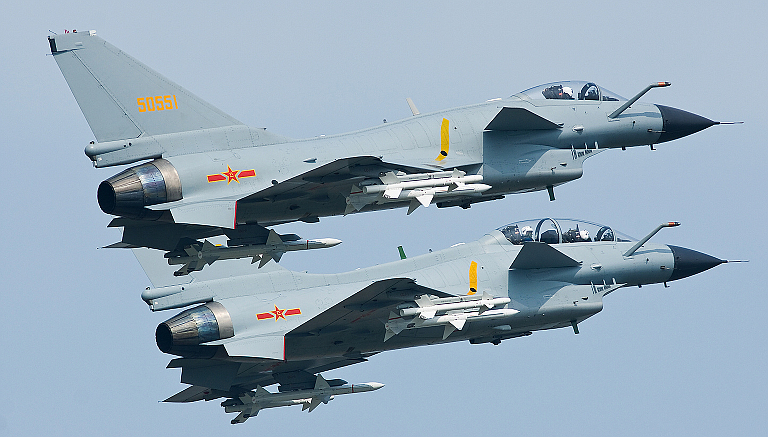 Chengdu J-10A and J-10S Canard fighters of the 132nd Fighter Regiment of the 44th Air Division, based at Luliang AB, Yunnan. Both are armed with a mix of Chinese built PL-11 Aspide and PL-8 Python 3 AAMs (Chinese internet images). |
BackgroundUntil the advent of the J-20 stealth fighter, the Chengdu J-10 was the pinnacle of indigenous Chinese fighter design. It is a single engine delta-canard agile multirole fighter which was alleged to be a clone of the IAI Lavi design, enhanced through alleged access to Pakistani F-16A examples. Even cursory comparison of the J-10 and Lavi indicates that 'Lavi-cloning' is not the case, even if the fighters share the same general configuration [1], [2]. The nose and vertical tail shape are however near enough to the F-16 to raise serious questions. Development of the J-10 commenced in 1988, with the first prototype flying in 1996, and production planned to commence in 2005. The J-10 occupies the same niche as the F-16C/D/E/F and the Rafale, being smaller than the F/A-18E/F and Eurofighter. It is to form the low end of a hi-lo mix with the Su-27SK/J-11/Su-30MKK and be used for air combat and strike roles, replacing the J-6, Q-5 and J-7 in frontline combat regiments. Early models are powered by the Russian AL-31F common to the Su-27/30, with Chinse sources claiming the indigenous WS-10 fan will be introduced later. The design is claimed to use a quadruplex digital fly-by-wire control system, a glass cockpit similar in layout to the Gripen is employed, and a HMS is expected to be used. Chinese sources claim the Phazotron Zhuk series and indigenous JL-10A to be the likely candidate radars for production. The J-10 represents an important milestone for China's industry - it is modern combat aircraft competitive in cardinal parameters with current EU production technology, and is clearly a unique indigenous design despite the comments of Western critics. Just like the Su-27/MiG-29 blended the best ideas in the teen series types, the J-10 blends the best ideas from the Eurocanard series and the F-16, to produce a high performance low cost mass production fighter. While the J-10 will not have the strategic impact of the long range Sukhois, it is well matched to the PLA-AF's established Soviet-like all-arms warfare doctrine, providing local air superiority over land forces and close air support / battlefield interdiction capabilities. With the likelihood of large scale production, we could see in time well over a thousand airframes built and exports made to various established PRC clients in the region. In close combat the J-10 is apt to match or outperform the
teen series fighters, and match the Eurocanards. Its principal
limitation will be in its sizing and combat radius performance - the
top end roles being ceded to the Sukhois. With the J-10 China has finally joined the club of nations capable of designing a modern agile combat aircraft. |
|
  |
 |
 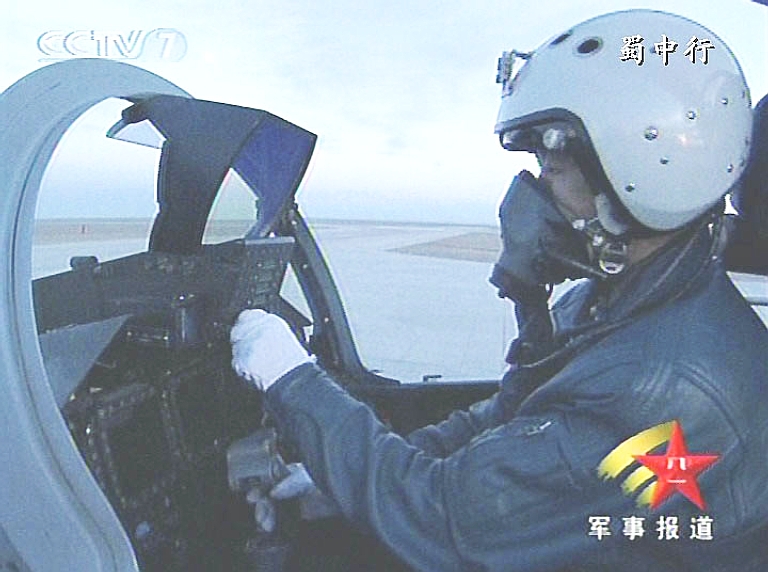 The
J-10 glass cockpit is unique and differs from the design in the
Su-30MKK/MK2 and Su-27SMK.
|
 |
 |
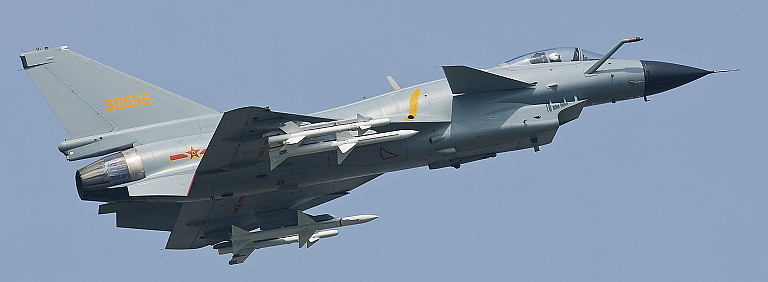
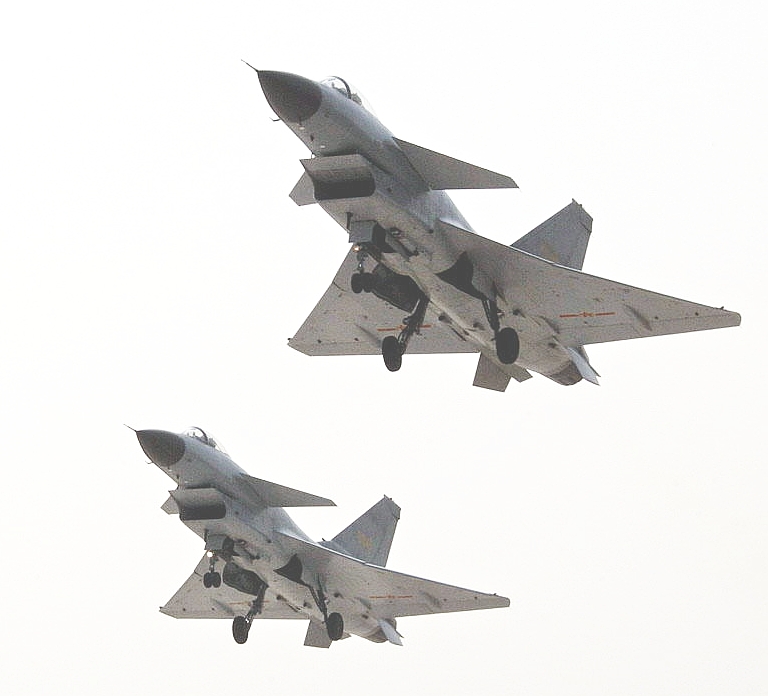
  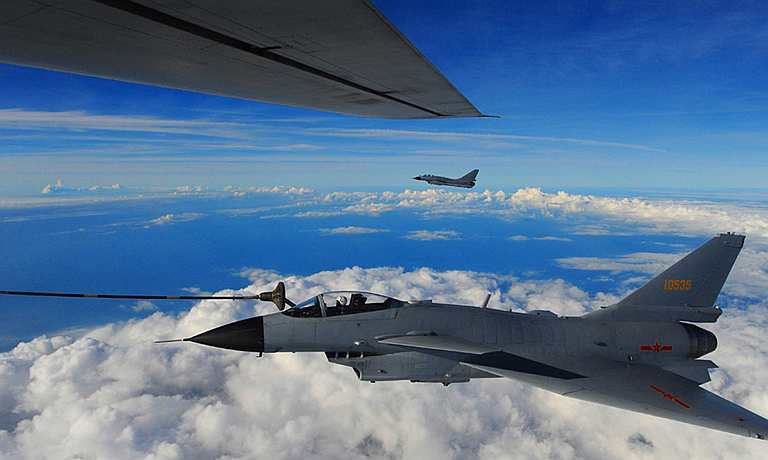 A H-6U tanker of the PLA-AF refuels a J-10A of the 5th Fighter Regiment, 2nd Air Division, Guangzhou (image PLA-AF).  Above: unpainted factory aircraft fitted with three external fuel tanks and PL-8 Python 3 inert AAMs; below: a pair of operational aircraft in early production camouflage, equipped with external tanks, PL-8 Python 3 and PL-11 Aspide AAMs (Chinese internet). 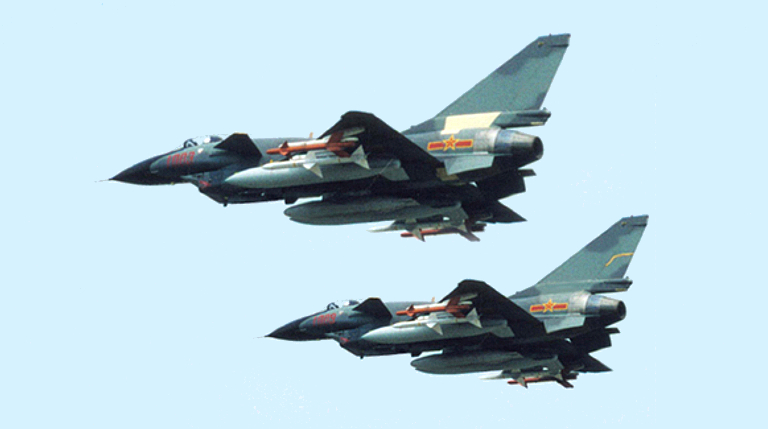 |
J-10B Advanced Single Seat Variant |
 In early 2009 images of the first prototype of the advanced J-10B variant emerged on a number of Chinese websites. The design has a number of prominent changes which will improve performance and capabilities. The radome geometry has been altered with a new tilted bulkhead which will reduce radar bay RCS. Aft of the radome is mounted a new electro-optical sensor turret, most likely an Infra-Red Search / Track (IRST) set. The dark colour could be a painted dummy optical dome, or a Germanium longwave dome. The most important design change is the completely revised higher massflow inlet design. The new inlet combines two design features observed in earlier US designs, a general arrangement similar to the F-8U3 Crusader III prototype, and a diverterless inlet bulge design similar to the F-16 demonstrator used to prove the inlet design for the X-35 JSF demonstrators. The inlet to fuselage join will significantly reduce the radar signature of the forward fuselage in the upper bands. Other interesting changes include an extended antenna fairing on the vertical fin, and large inboard pylons - or instrumentation pods - with what appear to be dielectric radomes over the front and aft of the pylon. The prototype carries inert PL-8 Python 3 rounds. To date no performance figures have been disclosed. What is clear is that this design has been engineered to be fitted with a more powerful engine and radar than the J-10A.  Vought
XF-8U3
Crusader
III
prototype
(US
Navy).
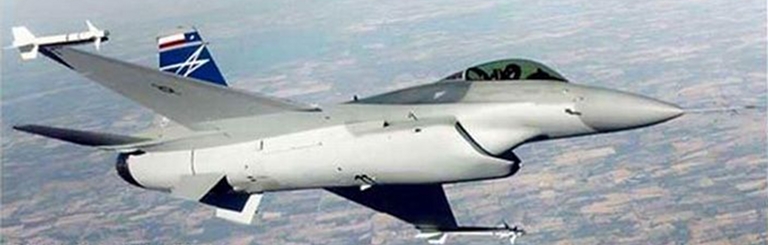 F-16C diverterless inlet demonstrator. The J-10B design lacks the clever edge alignment of the Lockheed-Martin design (LM photo). 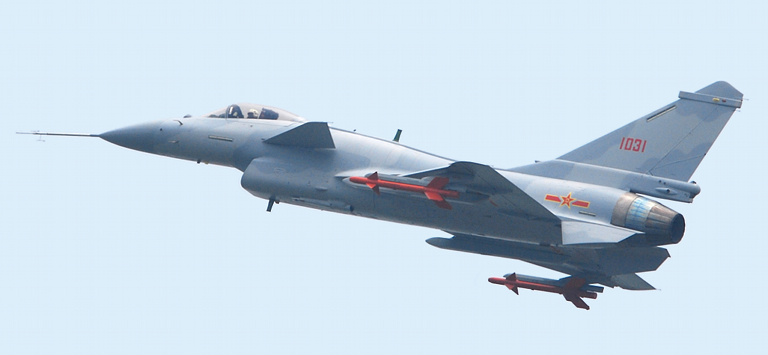 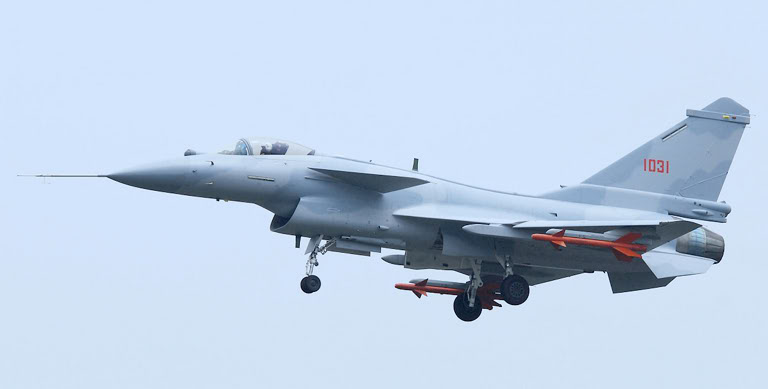 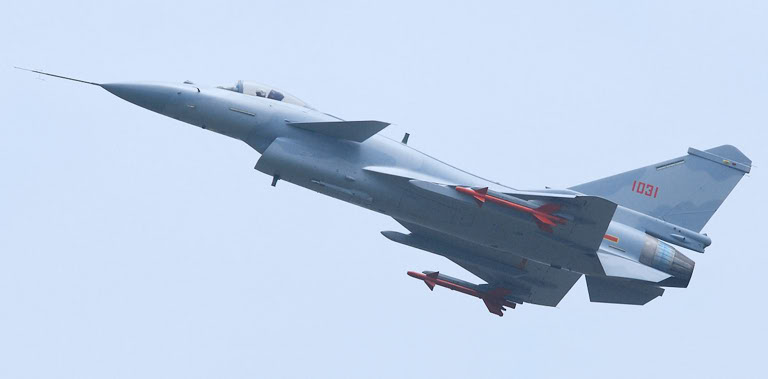  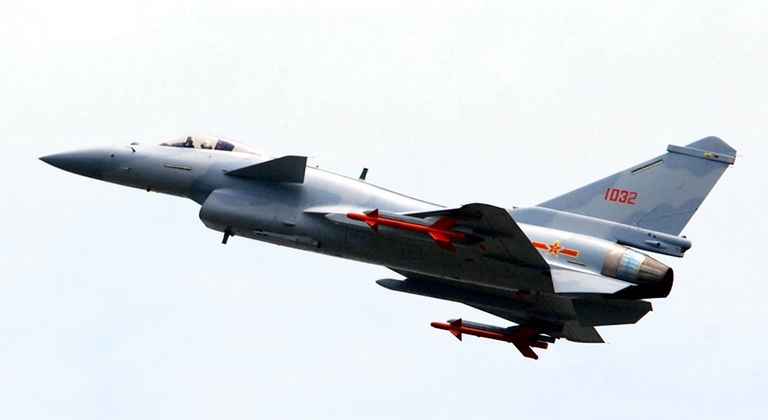 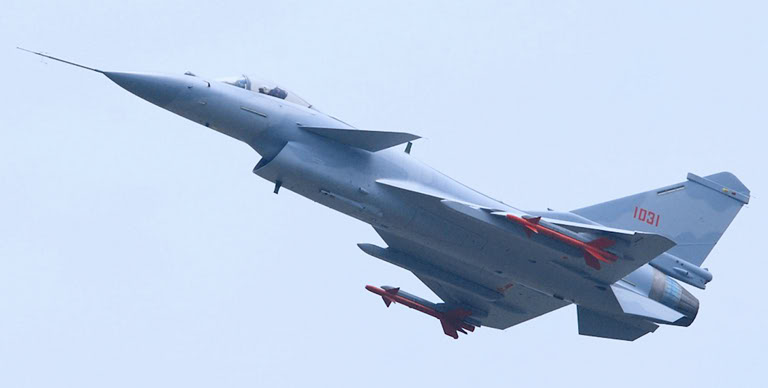 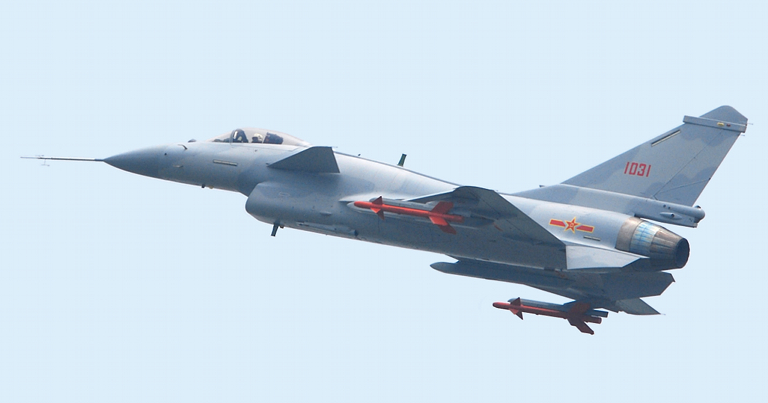 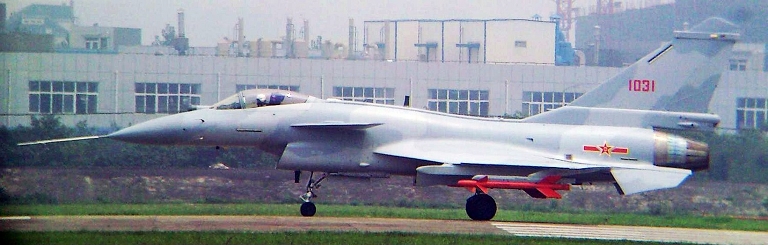 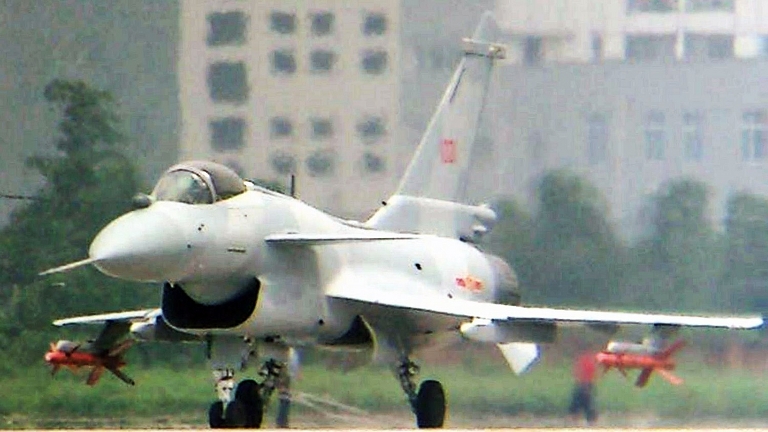      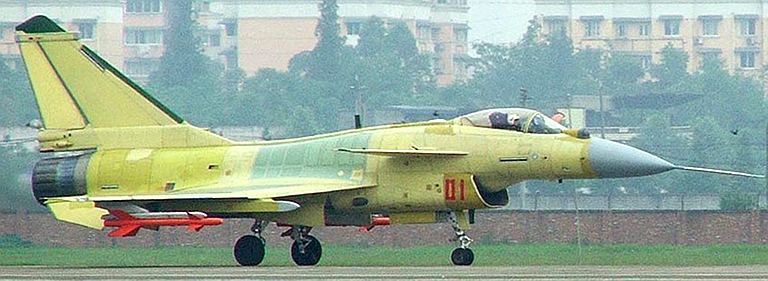       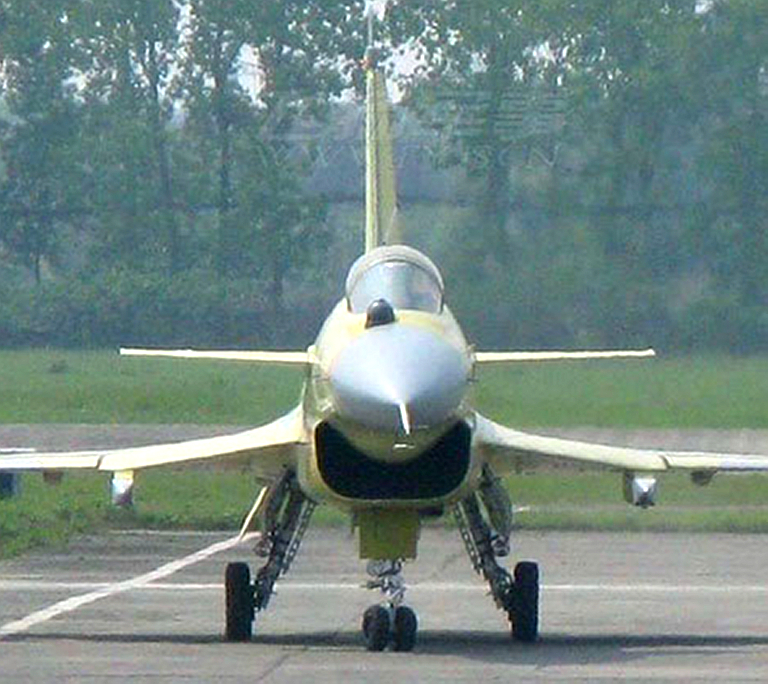 |
J-10S Dual Seat Variant |
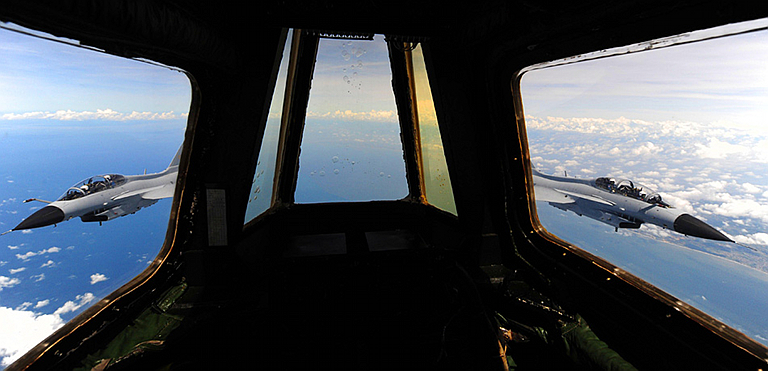
  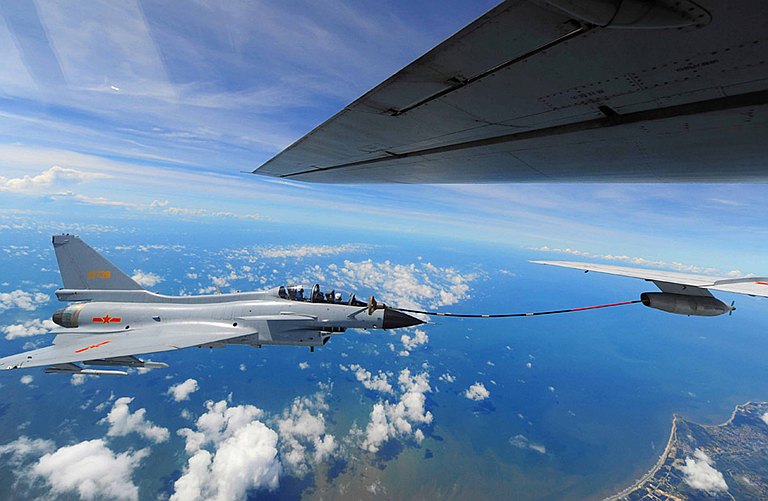 A H-6U tanker of the PLA-AF refuels a
J-10S combat capable trainer over the Guangzhou MR Coast (image PLA-AF).
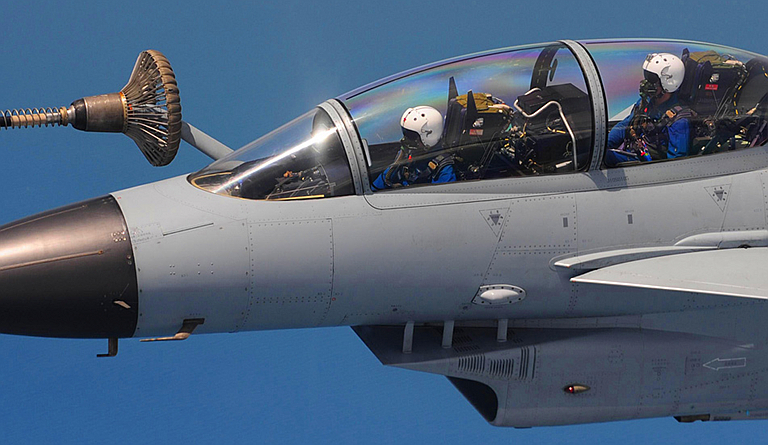 A H-6U tanker of the PLA-AF refuels a
J-10S combat capable trainer over the Guangzhou MR Coast (image PLA-AF).
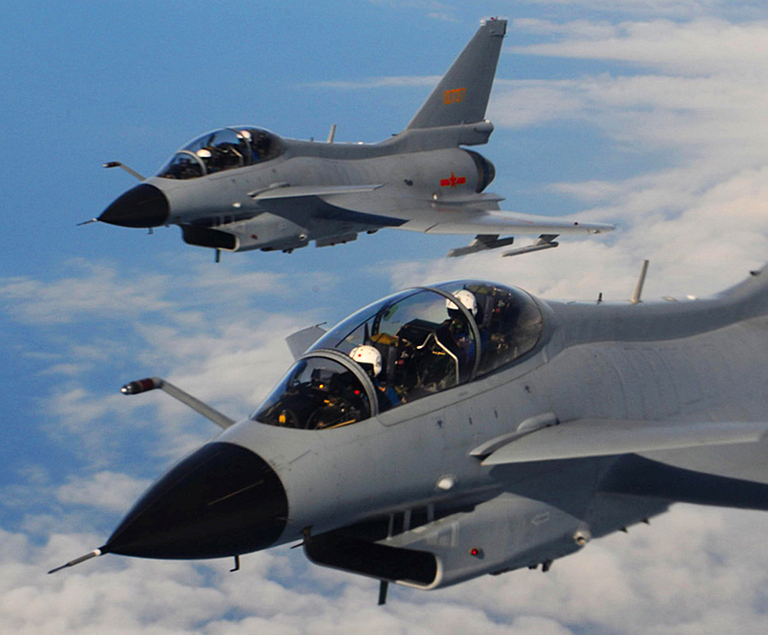 Above, below, a pair of J-10S combat capable trainers line up on a H-6U tanker of the
PLA-AF
over the Guangzhou MR Coast (image PLA-AF).
  J-10S display aircraft at Zhuhai
2010 (All images © 2010 Air Power Australia, via Zhenguan Studio).
    New build Chengdu J-10A Canard fighter. |
References
|
|
|
Technical Report APA-TR-2007-0701 |
![[1]](Other/IAI-Lavi-B-2-Bukvoed-Wikipedia-GPL-1S.jpg)
![[2]](Other/IAI-Lavi-Nose-1S.jpg)
|
|||||||||||||
|
|
|
|
|
|
|
|
|
|
|
|||
|
|
|
|
|
|
|
|
|
|
|
|||
 |
|
|
|||||||||||
| Artwork, graphic design, layout and text © 2004 - 2014 Carlo Kopp; Text © 2004 - 2014 Peter Goon; All rights reserved. Recommended browsers. Contact webmaster. Site navigation hints. Current hot topics. | |||||||||||||
|
Site Update
Status:
$Revision: 1.753 $
Site History: Notices
and
Updates / NLA Pandora Archive
|
|||||||||||||
|
|
Tweet | Follow @APA_Updates | |||||||||||
|
|
|||||||||||||
|
|
|||||||||||||