|
||||||||||||||||||||||
 |
||||||||||||||||||||||
![F-22A Raptor, FB-22, F-22E, F-22N and Variants Index Page [Click for more ...]](APA/f-fb-22.png "F-22A Raptor, FB-22, F-22E, F-22N and Variants Index Page [Click for more ...]") |
 |
![People's Liberation Army Air Power Index Page [Click for more ...]](APA/pla-air-pwr.png "People's Liberation Army Air Power Index Page [Click for more ...]") |
 |
 |
 |
 |
 |
 |
![Military Ethics, Culture, Education and Training Index Page [Click for more ...]](APA/ethx-culture.png "Military Ethics, Culture, Education and Training Index Page [Click for more ...]") |
 |
||||||||||||
 |
![Russian / Soviet Weapon Systems Index Page [Click for more ...]](APA/rus-weps.png "Russian / Soviet Weapon Systems Index Page [Click for more ...]") |
 |
 |
 |

|
 |
 |
 |
 |
 |
||||||||||||
 |
 |
|||||||||||||||||||||
| Last Updated: Mon Jan 27 11:18:09 UTC 2014 | ||||||||||||||||||||||
|
||||||||||||||||||||||
|
||||||||||||||||||||||
|
||||||||||||||||||||||
|
|
|
|
|
|
|
|
|
|
|
||||||||||||
|
|
|
|
|
|
|
|
|
|
|
||||||||||||
|
|
|||||||||||||||||||||
| Last Updated: Mon Jan 27 11:18:09 UTC 2014 | ||||||||||||||||||||||
|
||||||||||||||||||||||
| Ravens for the RAAF? | |||||
|
|||||
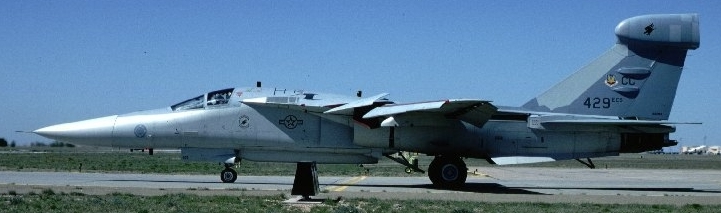 One of the most notable weaknesses in the ADF's current Orbat is the absence of a Support Jamming (SJ) capability. In times past it was considered that such a capability was a bit of a luxury, since antiradiation missiles and standoff weapons could be employed to kill opposing air defence radars. As the Balkans air campaign has shown, this assumption only holds where the operator of the air defence system is willing to engage in an all out battle for air superiority. Where the IADS operator chooses to engage only on the most favourable terms for an engagement, the rate at which the IADS can be attrited may be slowed significantly. A clever operator will light up his early warning, ground control intercept, acquisition and battery engagement radars only when the odds for scoring a kill were very good. Once the engagement is complete, the systems are quickly shut down and moved. Recent changes in Iraqi tactics, and now the well publicised tactics of the Serbian air defences, mean that we can expect to see this tactical model, and IADS doctrine, to supplant the classical Soviet model used hitherto. Therefore, unless most combat aircraft carry suitable emitter locating systems, and datalink feeds from electronic surveillance aircraft, odds are that a SAM system will "shoot and scoot" quickly enough to evade defence suppression aircraft hunting for it. Under such circumstances, jamming the early warning and acquisition radars can be highly profitable, since it denies batteries cueing information to set up for a quick engagement. Moreover jamming of ground control intercept radars and airborne early warning radars can render most interceptors quite impotent. In this context, with the expectation that the RAAF will operate the F-111 until 2020 or even beyond that date, and the F/A-18A+ past 2010, regardless of whether the RAAF opts for the stealthy F-22 and JSF, an excellent case can be made for the RAAF to deploy a support jamming capability. This discussion will explore the issues, and argue for the deployment of a flight of retired USAF EF-111A Ravens for this purpose, about 30 of which are currently sitting in the AMARC boneyard. A Support Jamming Primer Jamming early warning and acquisition radars is a specialised task performed mostly by dedicated aircraft, examples of which are the EA-6B Prowler, EC-130 Compass Call, EF-111A Raven or the defunct Soviet Badger J. As of late last year the sole US tactical jamming platform is the US Navy's EA-6B Prowler, equipped with the USN variant of the AIL ALQ-99 Tactical Jamming System (TJS). The aircraft are jointly crewed by USAF and USN pilots and Electronic Warfare Officers (EWO). The history of the current US tactical jamming fleet dates back to the latter phase of the Vietnam war, when it was recognised that the obsolescent USN EA-3B Whale and USAF EB-66/RB-66 were no longer up to the task. These aircraft performed the tactical support jamming (SJ) role, providing high power jamming of Ground Control Intercept, Early Warning and Acquisition radars. This was and is a distinctly different function from that performed by the onboard Defensive ECM (DECM) carried by fighters and bombers. DECM is aimed at defeating the engagement radars of SAM and AAA systems, and typically employs a range of trackbreaking techniques, usually at wavelengths between 15 to 1 centimetres (2-30 GHz), designed to frustrate range and angle tracking of the defended aircraft. Support Jamming is aimed at the Ground Control Intercept and Early Warning radars which form the top tier of any IADS, and the SAM/AAA battery Acquisition and Heightfinder radars which form the second or intermediate tier of the IADS. These radars, by virtue of the physics of radar propagation through rain and cloud, operate at wavelengths between metres and tens of centimetres (100 MHz - 4 GHz), using large antennas and very high peak transmitted power levels. Jamming such radars typically involves noise jamming to obscure targets, and False Target Generation (FTG) deception jamming, whereby non-existent aircraft are made to exist on an operator's scope. Performing the SJ task requires unique equipment, from the outset designed to deliver much higher power levels, and different jamming techniques. This allows the paralysis of an IADS allowing a strike package or indeed several strike packages to penetrate much more easily, since the individual SAM and AAA batteries are denied cueing information for their individual engagement radars. The latter period of the Vietnam war saw the deployment of the first models of the USN EA-6B Prowler, which carried the Eaton AIL ALQ-99 TJS package. This system was built around a System Integration Receiver, mounted on the vertical tail, which tracked and analysed emissions from victim radars, and up to five jamming pods, each with a pair of independently controlled and steered antenna and high power transmitter packages. Unique pods were built for coverage of specific bands. The Grumman/GD EF-111A Raven Tactical Jammer The Prowler instantly proved its prowess, and soon the USAF was planning its replacement for the EB-66, based upon its primary tactical strike aircraft, the F-111 and the USN ALQ-99 TJS. Whereas the Prowler had a modest capability, with a variable number of jamming pods and a total of up to 10 antenna/transmitter/exciter blocks, the new EF-111A and ALQ-99E was to have a total of 10 transmitter/antenna blocks in a weapon bay pallete, emitting more power per transmitter, with a larger number of exciters per each transmitter/antenna. This meant that the EF-111A could concurrently jam several times as many radars as the EA-6B could, even with a full load of pods. In jamming terms the EF-111A was a much heavier piece of iron, indeed USAF claims from the period suggested that 4 or 5 EF-111As could have paralysed most of the Warpac IADS in the Central TVD. 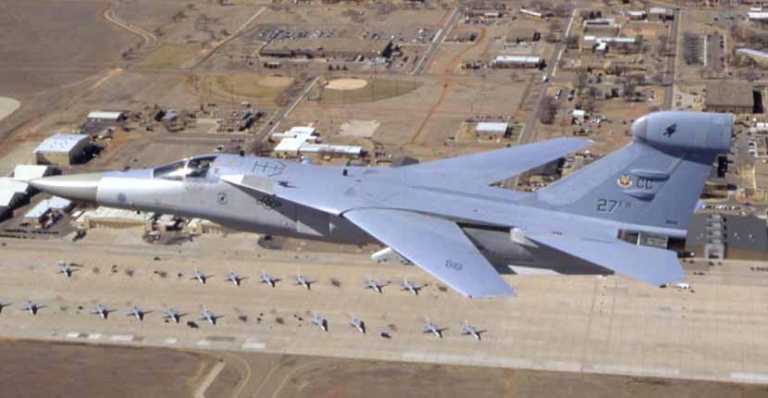 The ALQ-99E was more heavily automated, with a single operator rather than the 3 operators required for the baseline naval ALQ-99, this was achieved with no loss in capability, rather it provided the ability to better exploit the much greater aggregate jamming capability of the ALQ-99E. A total of 42 low time F-111A airframes were converted to the EF-111A Raven. While this is a modest number in comparison with the USN's 100+ Prowlers, in terms of aggregate volume of deliverable jam power and jammed transmitter count, the EF-111A force actually delivered a greater total jamming capability. The baseline ALQ-99E contains ten independently steered 2 kW high power jammers, twice the power of the baseline USN Prowler system, operating from 64 MHz to about 8 GHz, and providing automatic, semiautomatic or manual spot jamming, dual spot jamming, swept spot and noise jamming, as well as some modulated jamming modes such as false target generation. If the EF-111 is to be dedicated to its original role of defeating the upper tier of IADS radars, then the EF-111A as is would be not only be adequate for the RAAF's needs, but continue to be adequate for many years to come. High power noise jamming as a technique has changed little in the last 50 years, and is unlikely to change much in the next 20 years. The ALQ-99E TJS is modular, and the 2 kW transmitter/antenna modules may be swapped on the flightline to configure an aircraft with the specific mix of transmitter types to cover the bands required for the mission. Arbitrary mixes are possible, the only limitation being the restriction of two low band (Band 1, 2) jammers, which employ the paired fixed blade antennas mounted on the fuselage sides. An EF-111A package amounts to an aircraft, and a pallete of extra transmitter/antenna boxes to allow its user to set up the optimal mix of jamming capability for the mission. The Raven is typically flown clean, and the jammers can be operated at supersonic speeds making the aircraft an extremely difficult target to engage by fighters and SAMs. The EF-111A was blooded in the Eldorado Canyon strike against Libya, and subsequently distinguished itself in the Desert Storm campaign. As the EF-111A had much better endurance than the EA-6B, and was faster than most strike packages, it provided the ability to escort strike packages into airspace much too dangerous for the Prowler. The ALQ-99 evolved throughout its operational life, as tactics also evolved. From the early eighties onward, tactics shifted to include the jamming of engagement radars as well as the battery level and strategic radars. To some degree this was a response to delays in the introduction of jamming modes and capabilities in onboard DECM packages in fighters and bombers. It was frequently quicker to add more modes into the ALQ-99 TJS, than field hundreds of upgrade installations in fighters. Thus both the USN and USAF developed a much greater dependency upon the Prowler and Raven fleet than originally envisaged. To some degree this was also a reaction to the increasing value of the tacjammer as an air battle asset, which made it a priority target for any IADS. After the collapse of the Evil Empire and the massive downsizing of USAF and USN combat aircraft fleets, pressure began to increase to consolidate tactical jamming assets. The USAF EF-111A fleet, of about 30 aircraft, became a target for budgetary force structure cutters. Several factors contributed to the demise of the EF-111A in the USAF fleet. The first and foremost was a in USAF operational doctrine away from "soft kill" SEAD (Suppression of Enemy Air Defences) to "hard kill" DEAD (Destruction of Enemy Air Defences). The intent was to paralyse the IADS by using the stealthy F-117A, and later F-22A, as well as HARM shooting F-16CJ aircraft to destroy the upper tier IADS radars. Instead of flying many jamming sorties, a small number of hard kill sorties would achieve a better effect. The second factor was simply budgetary. With the retirement of the F-111 strike fleet, the economies of scale for maintaining the airframe disappeared, since the total worldwide inventory of F-111s in operation shrunk to about 75 aircraft. This was exacerbated by the impending costs of doing a major technology upgrade on the ALQ-99E, extending its band coverage into the upper centimetric bands to defeat the latest generation of Russian SA-10/SA-12 engagement radars, and providing the capability to defeat more sophisticated radar types. Whereas the Prowler could be incrementally upgraded with new pod variants, the Raven required the gutting of internal hardware to achieve the same result. An earlier upgrade program collapsed as a result of a dispute between the USAF and its contractors. 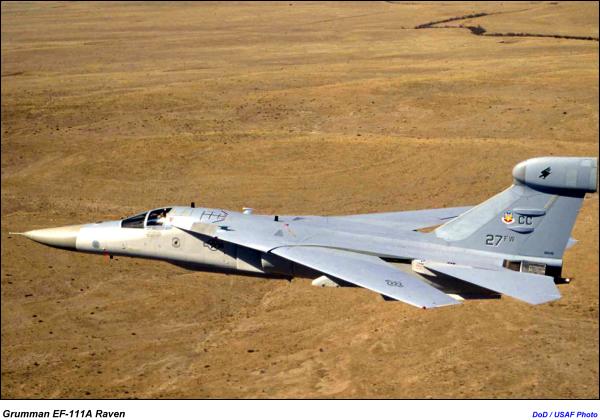 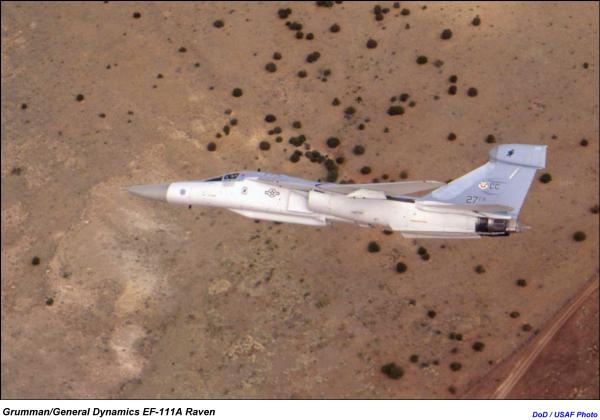 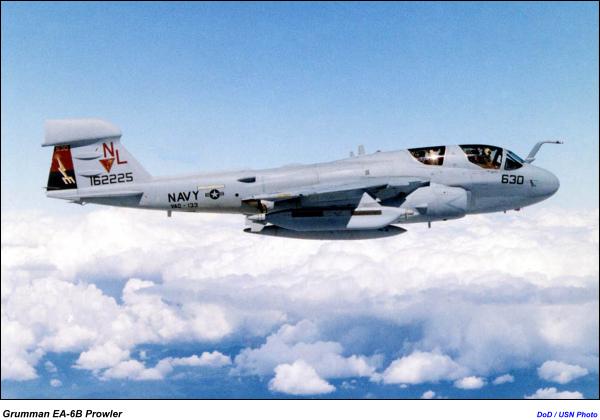 Yet another factor in this equation was the anticipated expeditionary combat environment, where land basing was required to support the Raven. The Prowler could operate from carrier decks as well as land bases. It was expected that most such campaigns would require much more jamming of battery engagement radars, less jamming of strategic radars, and this style of combat favoured smaller "chunks" of support jamming capability, with a faster ability to adapt to newer engagement radar types and modes, by virtue of podded jammers. What followed was a bitter and protracted debate in the US electronic combat community, which ended in the cancellation of the ALQ-99E SIP and decision to retire the EF-111A, and redeploy its highly skilled crews into jointly manned USAF/USN EA-6B squadrons. Many in the USAF electronic combat community regard the retirement of the EF-111A to have been a blunder of serious proportions, since the anticipated large scale proliferation of the SA-10/12 has not yet materialised, the large inventory of older Soviet SAMs is being incrementally upgraded, SAM users have become emission shy for fear of HARM and AGM-130 attacks, and the deployment numbers of the F-22 have been reduced, while the program has been stretched out in time. As a result, the EF-111A's window of technological usefulness has remained open very much longer than ever anticipated, while the assets intended to replace the capability, ie the F-22, are taking much longer to field in numbers than originally planned. 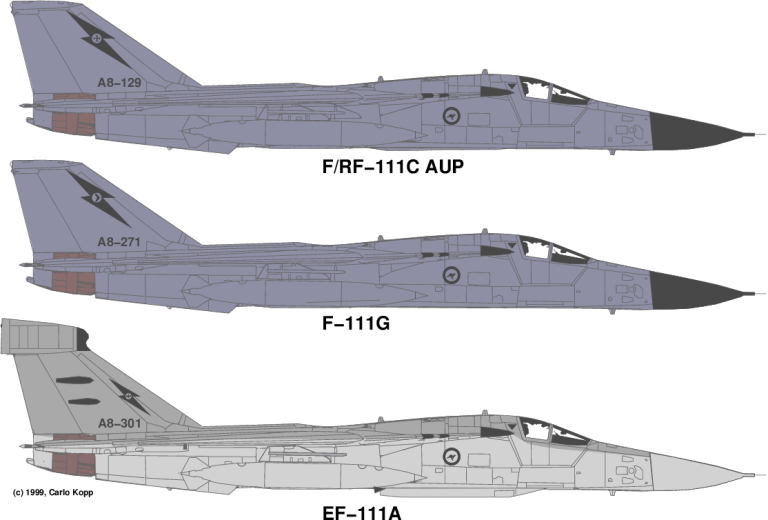 The EF-111A Raven would provide a potent increase in the RAAF's maritime and land strike capabilities. This capable aircraft carries up to ten independently steerable high power jammers. The radome on the vertical tail houses the ALQ-99E System Integration Receiver, while the ALQ-99E jammers are carried in the weapon bay pallete. Transmitter modules for different bands may be mixed to achieve the optimal band coverage for a specific mission. With possible band coverage from 64 MHz to about 8 GHz, the Raven is specifically designed to defeat early warning, ground control intercept, search and acquisition radars, as well as SAM engagement radars within its band coverage (Author). 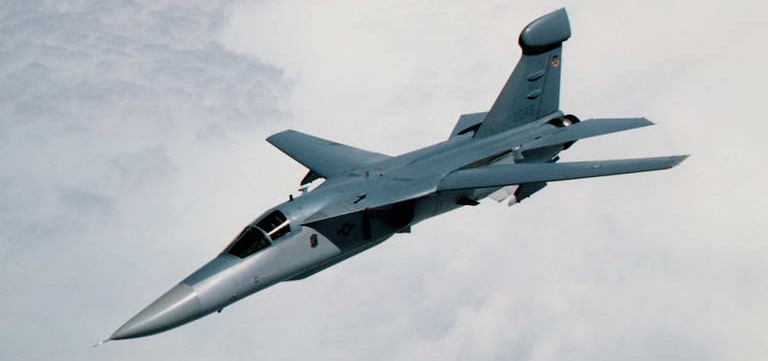 The deployment of an electronic combat flight of EF-111A aircraft as part of 82 WG would provide the ADF with significantly more than just an enhancement to the F-111's land strike capability. The capability would directly benefit both RAAF and RAN maritime strike operations, by providing jamming cover for Harpoon shooters of all types, while also providing the means of jamming hostile naval Surface Action Groups and maritime strike aircraft in engagements with RAN surface combatants. A no less important capability is the provision of an electronic combat adversary force for training Wedgetail AEW&C operators, as well as RAN SAM operators, the latter currently performed by a pair of geriatric and arguably unrepresentative HS748s. 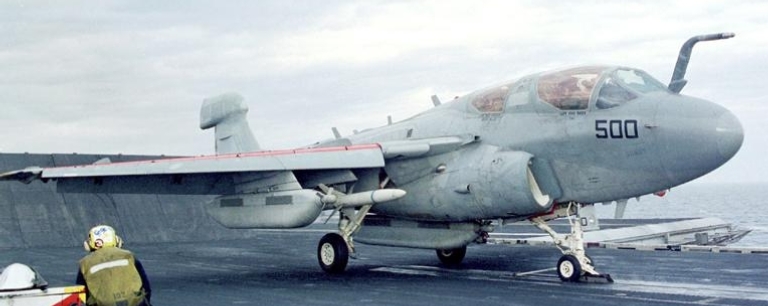 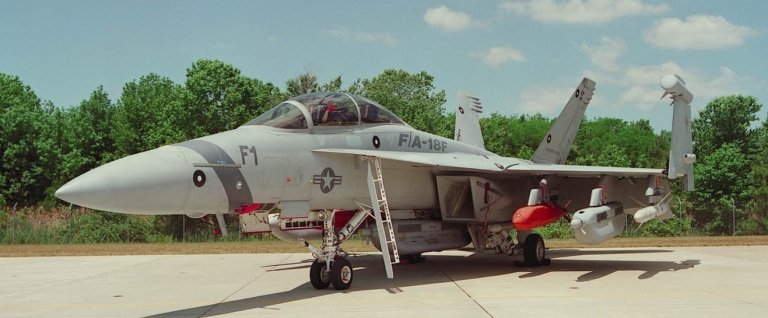 The EF-111A was prematurely retired last year, with the USAF's Electronic Combat squadrons amalgated with US Navy EA-6B Prowler units. By the mid eighties a substantial upgrade to the EF-111A, the System Improvement Program (SIP), involving new computers, improved software, digital exciters to provide sophisticated jamming waveforms, and high band jammers to defeat the newest SAM engagement radars, had mostly completed engineering development and flight test. The technology for both of these upgrades was subsequently merged into the EA-6B ADVCAP upgrade package. Therefore bringing resurrected EF-111As up to the current EA-6B standard would involve very modest engineering effort, since most of the work was already done and paid for by the USAF. Current US planning (2005) sees the Prowler replaced with EA-18G 'Growler'. The Australian Perspective From the Australian perspective the EF-111A would remain a very useful asset in the coming two decades, since in the wider region both the PRC and India retain huge inventories of older Soviet SAM systems, and supporting radars, which remain in service despite the deployment of modest numbers of the SA-10, SA-11, SA-12 and SA-15 systems. While aircraft such as the F-22 will provide the ability to very effectively destroy assets such as hostile AEW&C and the latest SAM battery radars, the modest numbers which are likely to be deployed would mean that such aircraft would be very heavily tasked in the opening phase of any campaign. The deployment of the EF-111A in the RAAF Orbat would provide a buffer, reducing the pressure significantly at the outset of any major campaign. This would allow strike operations to proceed at a high tempo before all of these radars are destroyed by stealthy strike aircraft, or standoff weapons. Importantly, the EF-111A would be a potent asset in maritime strike warfare, and maritime air and anti-ship missile (ASM) defence. The USN relied heavily upon the EA-6B Prowler during the Cold War as a means of defeating Soviet naval Surface Action Groups by jamming the powerful surveillance and early warning radars on cruisers and air defence vessels, while also relying heavily upon the Prowler to jam the surface search radars employed by the AV-MF Badgers, Bears and Backfires tasked as anti-ship cruise missile shooters. Therefore, whether the EF-111A is used to take down the air defence systems of a hostile SAG to be attacked by Harpoon shooting F-111s and F/A-18s, or whether it is used to screen a RAN SAG against hostile ASM shooting aircraft, surface vessels, or coastal ASM battery radars, the EF-111A is a potentially potent means of strengthening our maritime warfighting capabilities. In blue water operations as well as littoral operations, the EF-111A would provide a capability held to date only by the USN. Therefore the EF-111A is not an asset which is specialised for RAAF land strike use only, indeed the RAN could be a greater beneficiary of the aircraft's capabilities than the RAAF. It could be argued that eight EF-111A Ravens would make a bigger contribution to our maritime strike capability than an additional Collins class submarine. A strong case could be made, should the aircraft be deployed, for the RAN to contribute pilots and electronic warfare officers to help crew the aircraft, thus producing a joint force structure not unlike the USAF/USN Prowler squadrons. With 30 EF-111A/ALQ-99E systems in the boneyard, and residual USAF spares stocks, maintaining between 5 and 8 EF-111A airframes is not going to be a major issue. Since the EF-111A is a basic F-111A AMP upgraded airframe with the TF30-P109 engine, airframe, basic systems and engine maintenance is simply a non-issue. Maintenance of the ALQ-99E could be done under a commercial CSP contract, either with the manufacturer, or a support team involving a local defence contractor. Tactical training and doctrine could be assimilated by ongoing postings of some 82 WG navigators to USAF/USN Prowler squadrons. 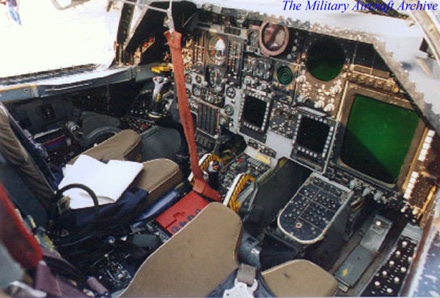 Another important byproduct of deploying the EF-111A is that it would force the ADF to finally grapple with the issues of planning and executing electronic combat operations at a campaign level. The absence of such capabilities, and strategic, operational and tactical training in such operations is a serious deficiency in the ADF's current and past capability package and one which will have to be addressed as wider regional capabilities improve, and assets such as AEW&C are deployed by the PRC and India. The ADF has properly embraced the idea of a "Knowledge Edge" with its multi-billion dollar commitment to the Wedgetail program. But much work remains at this time to improve capabilities in strike warfare and electronic combat. Deployment of a modest number of EF-111As as an electronic combat flight in 82 WG is an example of a high payoff, low outlay gain in capability, which reduces the pressure in other areas of electronic combat capability. The critical question is not so much implementation, since the RAAF clearly has an acute awareness of the issues, but rather one of strategic policy, since the core issues are very frequently out of the grasp of many of our strategic policy makers. This is yet another example of how rapidly evolving military technology leaves our policy making machinery years behind the operators in understanding the military needs which we face. This in turn places the RAAF in the invidious position of having to expend considerably greater effort than should be required in persuading our politicians and decision-making committees to bite the bullet and authorise the expansion of capabilities, and the budgets required. The coming two decades will be a difficult time for the ADF, and therefore every opportunity to cheaply expand capabilities should be exploited. Deployment of ex-USAF EF-111As is one such opportunity. |
|||||
|
|||||||||||||
|
|
|
|
|
|
|
|
|
|
|
|||
|
|
|
|
|
|
|
|
|
|
|
|||
 |
|
|
|||||||||||
| Artwork, graphic design, layout and text © 2004 - 2014 Carlo Kopp; Text © 2004 - 2014 Peter Goon; All rights reserved. Recommended browsers. Contact webmaster. Site navigation hints. Current hot topics. | |||||||||||||
|
Site Update
Status:
$Revision: 1.753 $
Site History: Notices
and
Updates / NLA Pandora Archive
|
|||||||||||||
|
|
Tweet | Follow @APA_Updates | |||||||||||
|
|
|||||||||||||
|
|
|||||||||||||






