|
||||||||||||||||||||||
 |
||||||||||||||||||||||
![F-22A Raptor, FB-22, F-22E, F-22N and Variants Index Page [Click for more ...]](APA/f-fb-22.png "F-22A Raptor, FB-22, F-22E, F-22N and Variants Index Page [Click for more ...]") |
 |
![People's Liberation Army Air Power Index Page [Click for more ...]](APA/pla-air-pwr.png "People's Liberation Army Air Power Index Page [Click for more ...]") |
 |
 |
 |
 |
 |
 |
![Military Ethics, Culture, Education and Training Index Page [Click for more ...]](APA/ethx-culture.png "Military Ethics, Culture, Education and Training Index Page [Click for more ...]") |
 |
||||||||||||
 |
![Russian / Soviet Weapon Systems Index Page [Click for more ...]](APA/rus-weps.png "Russian / Soviet Weapon Systems Index Page [Click for more ...]") |
 |
 |
 |

|
 |
 |
 |
 |
 |
||||||||||||
 |
 |
|||||||||||||||||||||
| Last Updated: Mon Jan 27 11:18:09 UTC 2014 | ||||||||||||||||||||||
|
||||||||||||||||||||||
|
||||||||||||||||||||||
|
||||||||||||||||||||||
|
|
|
|
|
|
|
|
|
|
|
||||||||||||
|
|
|
|
|
|
|
|
|
|
|
||||||||||||
|
|
|||||||||||||||||||||
| Last Updated: Mon Jan 27 11:18:09 UTC 2014 | ||||||||||||||||||||||
|
||||||||||||||||||||||
| B-52H Engine Upgrade Recommendation |
by Dr Carlo Kopp First published in Australian Aviation June, 2003 |
|
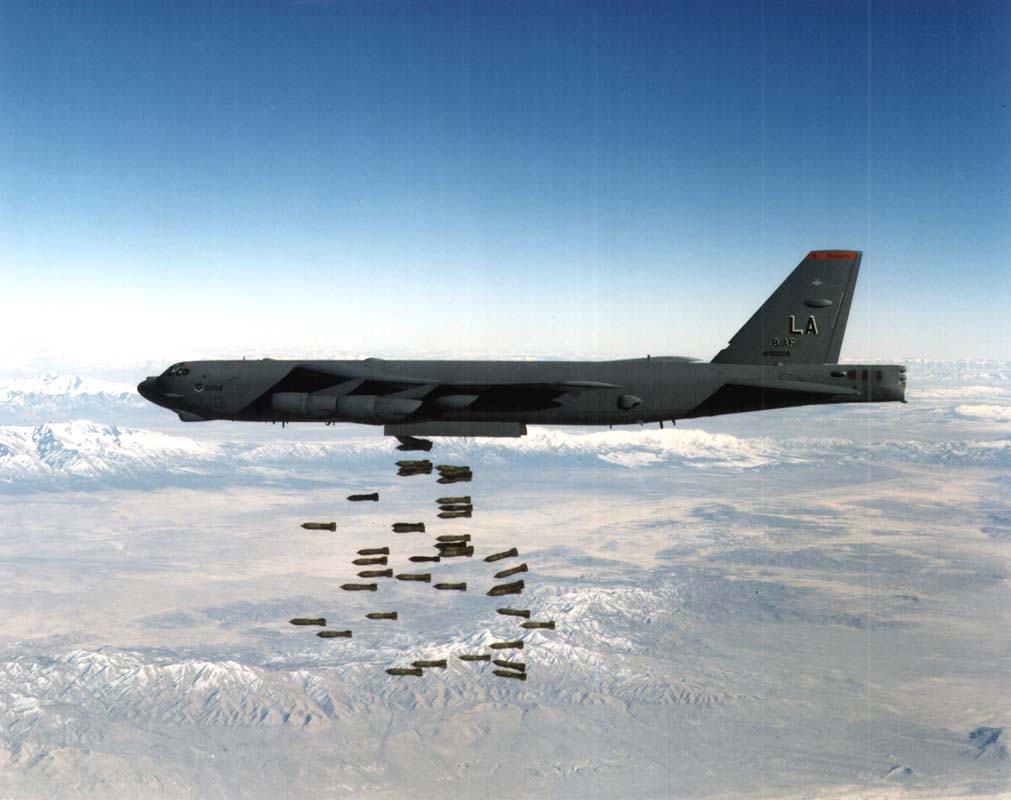
The late December, 2002, release of the US Defense Science Board's study entitled B-52H Re-Engining represents a most interesting development in the long history of this remarkable aircraft. It is the fourth study conducted on the economics of B-52 re-engining and represents an important departure from previous reasoning on this matter.
The study was commissioned in June, 2002, by the Office of the Under Secretary of Defense For Acquisition, Technology and Logistics in the Pentagon, to explore the issues surrounding the re-engining issue in the light of experience gained in Operation Enduring Freedom. All earlier studies into re-engining the B-52H concluded it would not be economically justified, but were in scope limited to the economics of aircraft maintenance and fuel burn alone. The DSB study approached the problem differently and explored the broader impact of re-engining, especially in relation to the cost of aerial refuelling for the B-52H. It was this pivotal factor which drove the conclusions of the study in a very different direction to earlier studies. We cite the seven conclusions reached in the DSB study: 1. The B-52H is the most versatile and cost effective weapon system in the bomber inventory and re-engining makes it even more so. 2. The B-52H has the highest mission capable rate of any of the three bombers, and remains the only Conventional Air Launched Cruise Missile (CALCM) capable platform in the inventory. 3 Further significant reduction in the B-52H fleet is considered unlikely for the foreseeable future because:
4. B-52H re-engining represents low technical risk. 5. B-52H re-engining provides greater operational flexibility and range, reduces fuel burn and tanker demand, and produces significant depot and field maintenance cost and manpower savings. 6. B-52H re-engining is an excellent pilot program for expanding the use of Energy Savings Performance Contracts beyond fixed facilities and into mobile systems. 7. The task force concludes the economic and operational benefits far outweigh the program cost. The essential argument is that the economic case changes dramatically with a reduction in the required amount of expensive tanker delivered fuel to perform required roles and missions. It is worth noting that this will become a factor for all combat types with the ongoing to persistent bombing techniques over classical non-persistent strikes. The DSB has recommended prompt re-engining of the B-52H fleet. What are the lessons for the ADF? Perhaps the most important is that significant economic savings can be realised by purging obsolete technology from long lived platforms - the F-111 and Caribou present good examples of viable platforms with long airframe lives carrying cost burdens through retention of obsolete hardware in the aircraft. The second lesson is that the economics of platforms should be considered in context - and required tanker capacity to support a platform in its operational use is a very significant cost driver across the force structure. Advocates of small fighters in Russell might want to contemplate this most carefully. Pic.1 Radius/Loiter Chart Pic.2 B-52H Engine Retrofit Modifications
|
|
|||||||||||||
|
|
|
|
|
|
|
|
|
|
|
|||
|
|
|
|
|
|
|
|
|
|
|
|||
 |
|
|
|||||||||||
| Artwork, graphic design, layout and text © 2004 - 2014 Carlo Kopp; Text © 2004 - 2014 Peter Goon; All rights reserved. Recommended browsers. Contact webmaster. Site navigation hints. Current hot topics. | |||||||||||||
|
Site Update
Status:
$Revision: 1.753 $
Site History: Notices
and
Updates / NLA Pandora Archive
|
|||||||||||||
|
|
Tweet | Follow @APA_Updates | |||||||||||
|
|
|||||||||||||
|
|
|||||||||||||